
Multi-chain assets
Separate asset names from the networks that actually carry them.
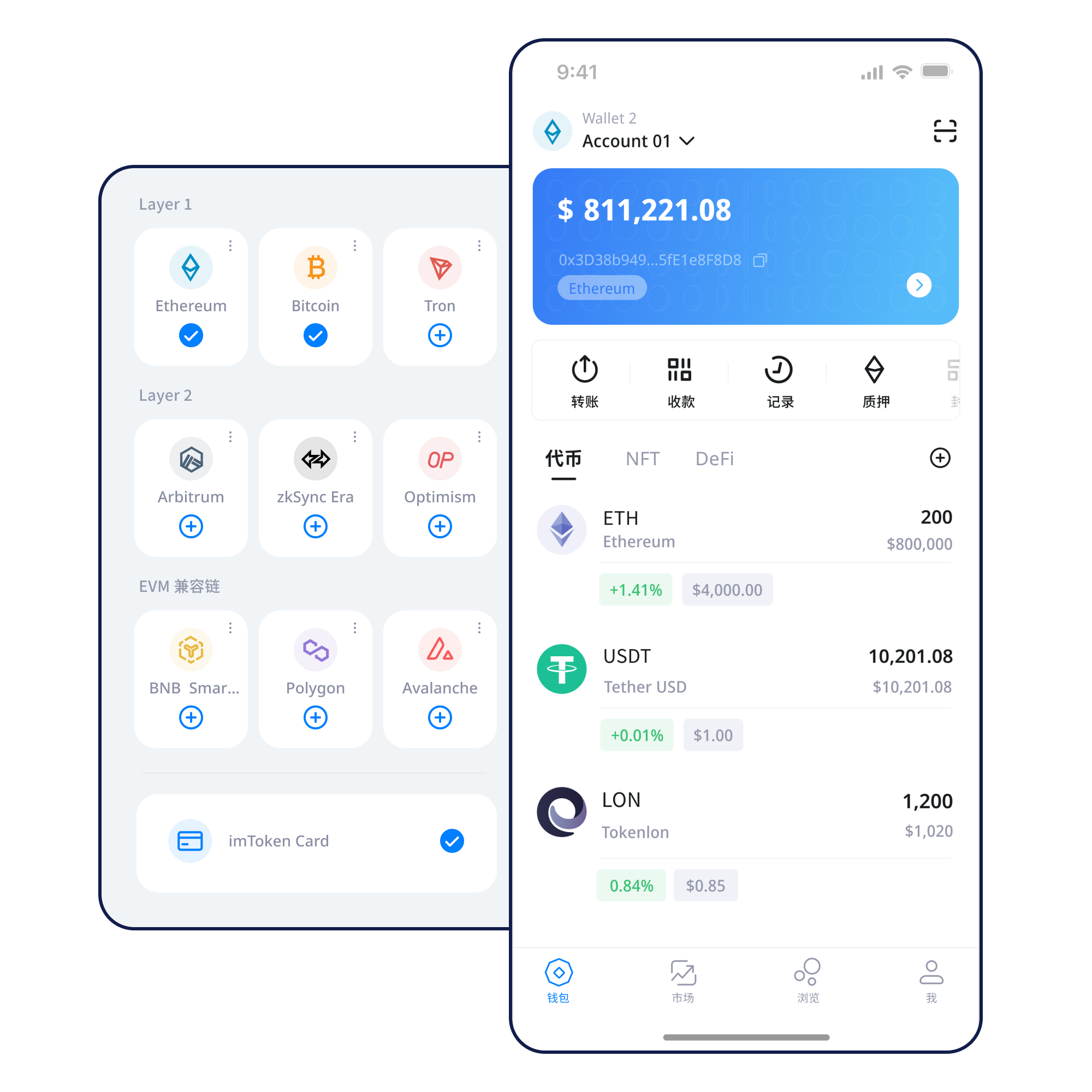
Manage assets across networks, verify addresses and fees before transfers, connect to DApps with explicit signature and approval checks, and build a practical understanding of network behavior and wallet security.
Prepare the right network and recovery plan before you begin.
Prepare the right network and recovery plan before you begin.
Prepare the right network and recovery plan before you begin.
Prepare the right network and recovery plan before you begin.
Prepare the right network and recovery plan before you begin.
Separate asset names from the networks that actually carry them.
View assets, manage networks, review history, and prepare DApp actions.
Check receiving address, network, amount, gas, and the resulting transaction hash.
Use browser connections deliberately: confirm the domain, requested account, signature, and permission.
Keep seed phrases and private keys offline and review approvals regularly.
Understand how assets and transactions live on different networks and why network selection matters.
Read the guideConnect nodes, blocks, and confirmations to the lifecycle of a public-chain transaction.
Read the guide
Understand Layer 2 relationships to mainnet, cross-layer transfers, and settlement checks.
Read the guide
Verify each request and keep recovery material offline. Review addresses, networks, and approvals before confirmation.
Verify each request and keep recovery material offline. Review addresses, networks, and approvals before confirmation.
Verify each request and keep recovery material offline. Review addresses, networks, and approvals before confirmation.
Verify each request and keep recovery material offline. Review addresses, networks, and approvals before confirmation.
Verify each request and keep recovery material offline. Review addresses, networks, and approvals before confirmation.
Verify each request and keep recovery material offline. Review addresses, networks, and approvals before confirmation.
Connecting a wallet does not mean every signature or approval should be accepted. Treat each request as a separate decision.
Web3 guideProtect seed phrases and private keys, keep backups offline, verify domains, inspect signatures, and compare the address, network, and amount before transfers. Public devices and networks add risk, and third-party contracts can behave independently from the wallet interface.
Open Security CenterStart with addresses, seed phrases, private keys, networks, gas, transaction hashes, DApps, and approvals. Each concept answers a different question about ownership, routing, fees, verification, or permission.
Start learningLearn how Ethereum PoS validators participate in consensus, where rewards come from, how exits work, and why network status matters.
Read about stakingRewards are not guaranteed. Waiting times, penalties, contract risk, service-provider risk, and asset-price volatility can all affect outcomes.
PoS & validatorsReview setup, backup, network selection, and verification as one continuous process.
Connection does not imply consent to later signatures or approvals.
Use a transaction hash and block explorer when a status is unclear.
Support never requires your seed phrase, private key, or verification code.
A wallet manages key material and presents on-chain account information. An address is a public identifier used to receive assets; seed phrases and private keys must remain private.
It is not recommended. Screenshots can be synced to cloud services or accessed by other applications. Offline physical storage is generally safer.
A private key can control a specific account, while a seed phrase can derive multiple accounts. Both are highly sensitive recovery material.
The same asset name can exist on different networks. A transfer on the wrong network may not be recognized or processed as expected by the recipient.
Gas represents the computational resources used by a network to process transactions or contract interactions. Fees vary with network demand and transaction complexity.
A transaction hash identifies a specific on-chain transaction and can be used in a block explorer to inspect broadcast, inclusion, and confirmation status.
Download entry, network knowledge, Web3 guidance, and security checks are available from the same site.